Exciting Impacts of Winter Weather On Your Home Security

Protect Yourself Before the Next Storm Winter weather has already hit Rochester, Syracuse, and Buffalo this year—and it will hit again. The storms often bring high winds and heavy snow. These conditions can cause power outages and many other problems. The impacts of winter weather are harsh In fact, the impacts can be extreme. For example, storms may disrupt your home security system. They can affect power, communication, and even damage equipment. Therefore, it’s important to prepare your security system for winter’s challenges. Doing so helps keep your home safe no matter what the weather brings. Basically, winter weather can have an impact on your daily life. Snow, sleet, freezing rain, and subzero temperatures can affect heating bills, driving conditions, and the security of your home. To make sure winter weather doesn’t make your home vulnerable, there are some things that you need to know. 1. Power Outages – One of the “Not So Exciting” Impacts of Winter Weather Very cold temperatures and high wind can cause power outages. If you have a security system, it probably operates on electricity. Due to the number of power outages in the area, a back-up power source is necessary. A backup power source often comes in the form of a battery. Fortunately, many security systems include a battery backup. If the power goes out, the system immediately switches to battery mode. Then, when the electricity comes back on, the system returns to electric power. As a result, you get constant protection all year round. This is especially helpful during summer storms, which often cause power outages. 2. Communication Issues – Dangerous Impacts of Winter Weather Winter weather often impacts communications the most. This can create serious problems for 24/7 monitored security services. Therefore, it’s a good idea to add cellular monitoring to your home security system. If your Wi-Fi connection fails, the system can switch to your cellular network right away. As a result, you keep your security system working even during bad weather. This helps you prevent burglaries and theft, no matter how harsh the winter storms get. You must also consider the fact that emergency services receive a lot of calls during a weather event. use.com, power outages are increasing in Upstate New York Basically, there are many ways to keep your system up and running during a storm, which amplifies every reason why professional security system installation is necessary. 3. Outside Lights and Surveillance Certainly! Here’s a rewrite in active voice, with shorter sentences, clear paragraphs, and transition words for better flow and readability: Bad weather can seriously affect lights and outdoor video surveillance. Strong wind or ice can damage security lights. Fortunately, professional video installers place cameras where they get the most protection. This helps reduce or even prevent damage. However, the real issue often comes down to electricity. That’s why adding a battery backup can make a huge difference. You might also consider a backup generator to power other parts of your home when needed. Moreover, keeping your lights on acts as a strong burglar deterrent. Burglars are less likely to target a home or business that stays lit, even when the power is out in the neighborhood. 4. Protect Yourself More diligence is also needed when protecting yourself. For instance: Keep a battery-powered radio nearby to get storm updates and important news. Make sure your cell phone is fully charged. Prepare an emergency kit with food, water, hats, gloves, blankets, batteries, a flashlight, and matches. Pack enough to last a few days. Always lock all windows and doors, whether you are inside or outside your home. If you don’t have a security system yet, call a professional right away. These systems include video cameras, plus carbon monoxide and fire protection. Contact A Syracuse, Buffalo, and Rochester Security System Installer SPS Fire & Security wants you to be safe whether the electric is on or off. That is why affordable home security options are available that are customizable and scalable. To learn more, call us at 585-770-0348.
Exclusive Fire Safety Tips This Thanksgiving Holiday

Fire Safety Tips that Go Beyond the Kitchen Thanksgiving is a delicious time of year in which we give special attention to the many things that we are thankful for. It’s also a time in which we must be extra vigilant about fire risks and safety so that those people and things that we love are protected. Fortunately, there are fire safety tips that you can take to ensure that your home is safe during this chaotic and joyful time without adding too much to an already very long to-do list. These are also measures that can protect you, your family, and your home year round. Protect Yourself Against Fire, Flood & CO Every Day! But First, A Look at Some Numbers Before we get into the tips, it’s good to get a solid understanding of why you need to make extra sure that you prevent a Thanksgiving fire, which will help you prevent a fire at any time. The U.S. Fire Administration published a report on Thanksgiving fires in residential buildings from 2014 to 2016 and this is what they found: For every year (2014, 2015, and 2016), there were approximately 2,400 residential fires reported to U.S. fire departments on Thanksgiving day, which caused $19 million in property loss in addition to the 25 injuries and 5 deaths. There are 1.8 Thanksgiving Day fires per 1,000 fires compare to 5.8 non-Thanksgiving Day fires per 1,000 fires. There are 11 injuries per 1,000 Thanksgiving fires compared to 25.7 injuries per 1,000 non-Thanksgiving fires. $7,800 is the average loss per fire compared to $17,560 for non-Thanksgiving Day fires. Multifamily dwellings account for 32.1% of Thanksgiving Day fires. One- and two-family dwellings account for 62.6% of Thanksgiving Day fires, while the remaining 5.3% is reserved for other types of homes. Thanksgiving fire alarm numbers begin to increase at 7:00 a.m. and peak from 11:00 a.m. to 2:00 p.m. 77% of Thanksgiving fires are limited to the object of origin, which means it is contained where it begins. However, this doesn’t minimize the extent of injury. Cooking is responsible for 76.5% of Thanksgiving fires. The Difference You can see that Thanksgiving fires follow a different pattern than fires that happen randomly during the rest of the year. Understanding what makes Thanksgiving fires unique can help you prevent them. However, don’t let the fact that Thanksgiving fires cause fewer deaths or injuries per 1,000 fires lower your guard. After all, Thanksgiving is just one day a year—and nearly 3,000 fires on that single day is still a lot. Fire Safety Tips to Keep You Safe on Thanksgiving Let’s review some quick fire safety tips. First, install and maintain working smoke alarms. These alarms detect smoke or fire anywhere in your home all year round, helping you contain fires and stay safe. Next, place a fire extinguisher near your stove and oven. Before cooking, check that the extinguisher works properly. Finally, avoid wearing long, loose sleeves while cooking because they can easily catch fire. Some other tips: Never leave cooking food unattended. While it might be tempting to make a quick trip to the grocery store, have another adult watch the kitchen or send them on the errand instead. Also, keep kids away from the kitchen when you’re cooking a big meal. Sharp objects and hot surfaces aren’t safe for little ones. Next, turn pot and pan handles toward the back of the stove so they don’t sit over burners. Watch where you place towels, too—keep them away from burners to avoid fires. If a fire starts, your 24/7 monitored security system will alert the authorities. If you don’t have a system yet, call 911 right away. For grease or oil fires, never throw the contents outside. Instead, put a lid over the flames to smother them and turn off the heat. Keep the lid on until the pan cools. For oven fires, keep the door closed and turn off the heat. This cuts off oxygen and helps smother the fire. Don’t open the door—that lets the fire grow. Finally, keep baking soda nearby to put out food fires. Avoid using flour or water because they can make the fire spread or react violently. Contact An Expert Rochester Fire Alarm Company By keeping the above fire safety tips in mind, you should have a much safer Thanksgiving. If you don’t have an alarm system that can detect smoke or fire anywhere in your home, SPS Fire & Security has some great options that will help you protect your family and your home. Call us for more information at 585-770-0348. Happy Thanksgiving!
Love Dogs? Here’s How Alarm Systems Help Dog Families

How Effective are Dogs as Alarm Systems? Being a dog parent takes hard work, but the love you share with your furry friend makes it all worth it. Because you care deeply, you want to protect your dog from harm. Fortunately, alarm systems can play a key role in keeping your pet safe. But wait… Aren’t dogs great at protecting their homes? Yes, they can be, but a dog isn’t always sufficient in keeping an intruder away. A dog is merely an inconvenience to a burglar and that can bring more harm to the dog than the dog brings to the intruder. A Few Startling Facts Here are some eye-opening facts that might interest you: First, 34% of burglars say a dog inside the house makes them change their mind about breaking in. However, this also means that 66% are not scared off. According to the Department of Justice, a dog can deter theft if the burglar fears dogs. But as the numbers show, most burglars don’t. Next, dogs that bark at the right times can scare away intruders. On the other hand, dogs that bark at everything often fail to stop burglars who have studied the dog’s habits. Neighbors also tend to ignore constant barking. Unfortunately, intruders can calm dogs easily with treats or meat laced with tranquilizers. In some tests, even trained guard dogs gave in to these tricks. Finally, intruders have been known to harm or even kill dogs. Here is an Inside Edition investigation that put dogs to the test: Getting to the Bottom of Dog Senses Dog senses aren’t always foolproof. While dogs have excellent smell and hearing, some breeds don’t make the best decisions. For example, an Inside Edition investigation showed that the smallest dogs in the test had the strongest guard dog traits. However, their small size still makes them vulnerable targets. Reliable Intruder Alarms Monitored 24/7 We just have to face the fact that dogs are vulnerable. This in itself is frightening considering you want to protect your dog and your property. You can have the smartest dog on the planet, but something as simple as dangling a tasty treat in front of them can be a game changer. It simply isn’t fair to put them in charge of home security, as they are family members that want to relax, play, and make you happy. The Right Tools for Protecting Your Home and Dog: Alarm Systems To protect your home and your dog, start by putting the right tools in place. That means installing a professional alarm system. Many homes in Rochester, Syracuse, and Buffalo already use these systems. In fact, simply seeing a security system deters 60% of burglars. Even more convincing, 86 burglars interviewed by KTVB said they would leave right away if an alarm started sounding. Basically, using a strong mix of video cameras, 24/7 monitoring, alarms, and motion sensors gives you stronger security. It also helps protect your dog and gives you peace of mind. Plus, you can install cameras inside your home and watch them from your smartphone. This way, you can keep an eye on both your home and your dog no matter where you are. Contact An Experienced Rochester Alarm System Company In the end, let a professionally installed alarm system handle the hard work and take the pressure off your dog. An alarm system delivers outstanding reliability and strong security to protect both your home and your furry friend. Call SPS Fire & Security today at 585-770-0348 to get started. We serve the Rochester, Syracuse, and Buffalo areas and will respond quickly to help you protect what matters most.
Interesting Carbon Monoxide Info That Could Save Your Life

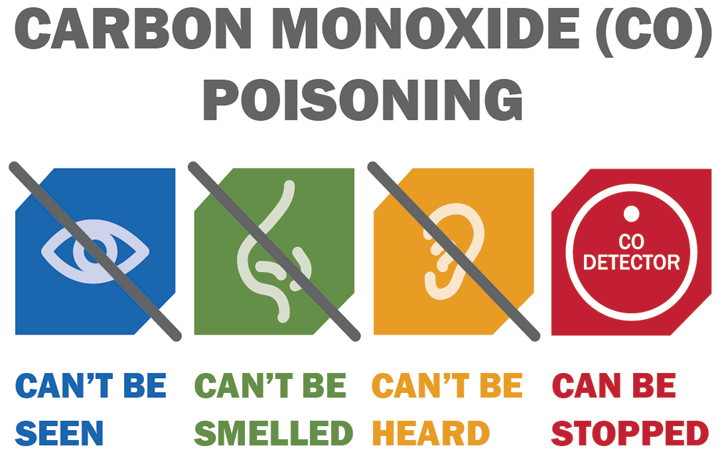
Knowledge Is the Key to Fighting this Silent Killer Carbon monoxide (CO) is called a “silent killer” because it’s colorless and odorless. Now that it’s September, it’s important to bring up this very important topic because winter is getting closer and that’s the time of year when CO-related deaths increase. But before we go more in-depth into the answers to the most frequently asked questions about carbon monoxide and the poisoning it can cause: Solid carbon monoxide detection is ALWAYS the most reliable way to ensure exposure doesn’t cause health issues or death. You can take many steps to prevent problems, but accidents can still happen and lead to deadly exposure. Proper detection alerts you when carbon monoxide is present so you can act right away. Carbon monoxide has no smell or no color, so you cannot detect it on your own without getting sick first. Many people do not realize their symptoms are caused by carbon monoxide poisoning. They may lie down to rest, which is extremely dangerous, or lose consciousness altogether. Where Can You Find CO? Carbon monoxide forms whenever fuel burns. In homes and businesses, common sources include stoves, lanterns, fireplaces, grills, gas ranges, and furnaces. When these appliances work properly, they release very small amounts of carbon monoxide that are not harmful. Over time, however, equipment can fail. SSome businesses use fuel-burning machines indoors. In these spaces, carbon monoxide can build up and make workers sick. Auto repair shops are a common example, where vehicles often run inside the building. According to the CDC, nearly 20% of CO-related incidents occur in different types of businesses, while 50% of incidents occur in homes. Who Is Most At Risk for CO Poisoning? Carbon monoxide can affect everyone. People with breathing or heart problems face a higher risk. Very young children and older adults are also more likely to get sick. Each year, about 400 Americans die from accidental carbon monoxide poisoning. These deaths are not related to fires. More than 20,000 people visit the emergency room each year because of carbon monoxide exposure. Over 4,000 of them require hospital care. That’s A LOT of people! Check out this extremely informational video on how CO poisoning happens and how it starves the body of oxygen, leading to CO poisoning: How to Prevent CO Poisoning Installing carbon monoxide detectors is the best place to start. Professional installation offers even greater protection. It ensures the system works at all times and places sensors in the right locations. When carbon monoxide detection connects to your security system, a 24/7 monitoring center can alert authorities for you during an emergency. Other things to do include: Have your heating system, hot water tank, and anything else that operates on gas or burns coal serviced each year. While not 100% effective, inspection and service greatly increases safety. Don’t use flameless chemical heaters inside. If you smell gas and you don’t know the source, get out. If you know the source, turn it off if you can safely do so. Have that item professionally serviced. Only buy gas equipment that has a national testing agency seal. Gas appliances should be properly vented. Chimneys should be inspected and cleaned annually. Vent pipes should never be patched with unauthorized materials or CO could build up. Gas ranges or ovens should never be used for heating. Charcoal or portable camp stoves should never be burned indoors. Generators should never be used indoors (including the basement or less than 20 feet from a vent, door, or window) What Are the Symptoms of Carbon Monoxide Poisoning? Carbon monoxide poisoning often looks like other illnesses. Many people do not realize what is causing their symptoms. This is why a carbon monoxide detector can save your life. Common symptoms include a dull headache, weakness, dizziness, nausea, vomiting, confusion, or blurred vision. These signs may point to carbon monoxide poisoning. A detector gives you a clear warning so you know to leave the home or business right away. The effects depend on how long and how much exposure occurs. Carbon monoxide can cause miscarriage or fetal death during pregnancy. It can also damage the heart and brain. In severe cases, it can cause death. This risk is highest for people who are sleeping or intoxicated. Rochester, NY Carbon Monoxide Detector Installation If you live in Rochester, Buffalo, or Syracuse and you don’t have the proper CO detection in place, it’s imperative to take action as soon as possible. This is the best time of year to do it because the use of gas-burning appliances and other tools increase when the temperatures start dropping in the fall. To learn about the differences between a DIY CO detector and professional carbon monoxide detector installation or to begin protecting yourself and everyone you care about ASAP, call SPS Fire & Security at 585-770-0348.
DIY Video Surveillance vs. Professional CCTV Installation

Which Video Surveillance Route Should You Take? DIY Video Surveillance or Pro? The home security industry is growing rapidly. As a result, homeowners now have more property protection options than ever, including DIY video surveillance. However, many people debate whether to choose professional security system installation or a DIY alarm system. You’ve probably encountered this question before. Therefore, let’s take a closer look at video surveillance. It plays a crucial role in an alarm system because it lets you watch your property when you’re away. Plus, it can help identify anyone who commits burglary or other crimes. But the key question remains: is DIY video surveillance the right choice for you? The video surveillance cameras that you have installed can have a major impact on the likelihood a criminal will be caught. Here’s a good example: Because property crimes happen so often, more people are using social media to catch criminals. Every day, video surveillance images appear on Facebook. However, even when these videos are recorded in broad daylight, identifying criminals remains difficult. One major reason is picture quality. DIY systems bought at places like Sam’s Club, Walmart, or Amazon often produce lower-quality images. In contrast, professionally installed systems focus on delivering clear, high-quality footage. As a result, these systems increase the chances of catching a criminal. Unmonitored DIY Video Surveillance System vs. The Professionally Monitored System Another issue to look at is monitoring. Yes, there are many DIY CCTV systems that allow you to record and even monitor in real-time. There are also some that allow you to connect via your smart phone. The element missing is the 24/7 monitoring. You can’t look at your phone or sit in front of a television or computer screen every single minute of every single day. When you include video surveillance in your security system package, the 24/7 monitoring service receives alerts and can take action on your behalf. Even if your phone sends push notifications, you might miss them. For example, you could be in an area without signal, your phone battery might die, or you might not hear the alert. That’s why professional monitoring matters. It gives you another set of eyes watching everything important to you, so you stay protected at all times. The Lowdown on DIY Video Surveillance Installation Then, of course, there’s the installation. You can place a DIY camera exactly where you want, which makes buying one from the local hardware store very tempting. However, without a certified technician to evaluate your property and spot key areas, you might face a break-in that could have been prevented. Additionally, camera quality matters. A high-quality camera can help you identify a burglar, while a poor one might not. Right now, many criminals go unidentified—even when they look directly at cameras. Moreover, burglars are becoming very camera savvy. They can easily tell the difference between locally bought or internet-purchased cameras and professionally installed systems. Burglars almost ALWAYS do their research prior to breaking into a structure because they want to minimize their risk. According to Architectural Digest, burglars do their homework. Looking for Video Surveillance Options In Rochester, Syracuse, or Buffalo? If you’ve reached this point, you’re exploring your options. Therefore, it’s time to ask important questions. If you’re torn between a DIY system and a professionally installed one, compare the pros and cons of both carefully. To learn more, call SPS Fire & Security at 585-770-0348 today.
Doorbell Camera Buying Guide: What You Need to Know

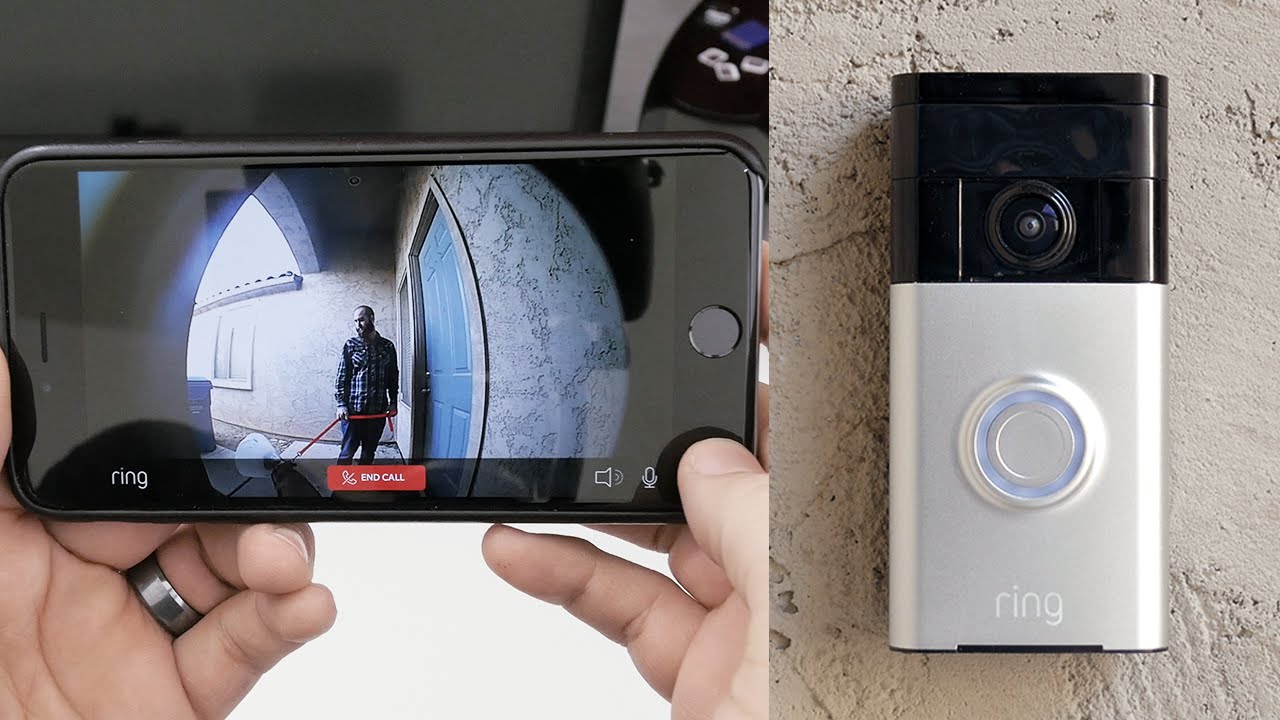
When you have a doorbell camera, you have better security A doorbell camera gives you a view of what is going on outside and who is passing through. Because it can be integrated into your home security system, home security is enhanced. The main feature is being able to see who is at the door via a mobile application when you’re away. An example of how the doorbell camera and application work together: Let’s say you’re at the beach and someone rings your doorbell. You will get an alert on your smartphone telling you someone is at your door. A video feed will allow you to see that person. Burglars tend to ring the doorbell before breaking into a home. This device is a great way to get ahead of a potential burglary. However, some burglars prefer to sneak around. Motional detection triggers the doorbell camera and sends you a notification. Although the creeper can’t see you, you can see them. Doorbell cameras also: Protect packages from porch pirates. Catch suspicious activity in the front yard and porch area. Help you keep an eye on your children. Have a “do not disturb” option so sleeping children aren’t disturbed. The list of benefits goes beyond this short list. Ask the following questions to find answers specific to you. 1. What does the installation process entail? You can have a battery powered or hard-wired doorbell camera. If you choose a battery powered system, the installation process takes less time. A hard-wired system is integrated into the home’s electrical system by a professional, and is the most reliable type because batteries can fail. 2. What are the doorbell camera components? A doorbell camera with a microphone and speakers allows you to interact with the person at the door no matter where you are. These cameras often include night vision, motion detectors, and there doorbell button. 3. How does a doorbell camera stand up to the weather? The Rochester, Syracuse, and Buffalo area has been known for its tough weather. There are ways to further weatherproof your doorbell camera: Purchase of tamper- and weather-proof cases: Most doorbell cameras are built to stand up to tough conditions since they are made to be outside. If you decide you want to further protect the unit, ensure the case is specifically designed for your model. 4. Couldn’t a thief pry the unit off of the house? Thieves have definitely tried and are usually unsuccessful. Even if a thief broke or removed the camera, the recordings are stored externally. Taking out the camera doesn’t have any effect on the recordings. This is also another reason why professional installation is better than DIY installation. The installation goes beyond that of a store-bought camera. 5. Can I have a doorbell camera integrated into my existing home security system? The one true way to know if you can integrate a doorbell system into your existing security system is to talk to a home security professional. This is so compatibility is determined before making the investment. Adding this type of component to your system initiates a much-needed system upgrade if you are using an older system. Upgrades result in better security. In fact, it was reported in 2017 that video doorbell sales were expected to grow 28% per year for the next five years, and primarily as a component integrated into existing security systems. At one time, it was expected that this level of security was limited to the United States. Since 2017, the global doorbell camera market grew to $1.2 billion. The figure is expected to reach $4.6 billion by 2031. The growth is a reflection of society’s realization that doorbell cameras equal safety. It is nice to be on vacation and see who is at the door. What’s more, is the ability to speak to the visitor. With doorbell cameras being more prevalent, the sight of one makes burglars turn around. Contact Your Rochester, Buffalo, and Syracuse Home Security Installer Today At SPS Fire & Security, we take your home security as seriously as we do our own by ensuring you have the best of the best. To learn more about doorbell camera integration or simply improving the level of security at home, call us at 585-770-0348 for a free consultation or complete our contact form and a professional from our office will get back to you.
Professional Alarm Monitoring: Is It Best?

There is an influx of DIY home security systems on the market. This has resulted in more people having systems installed in their homes. However, the question is whether self-monitoring is as effective as 4/7 professional alarm monitoring? To answer this question, we’re going to take a look at both. Self-Monitored Security Alarm Systems Monitoring your alarm system yourself is an option. You can check on system status from a smart phone app or a computer. The system can also be set to call you or another number on your contact list when the alarm is triggered. You can even watch what’s happening inside your home or business through a live video feed. This feature gives you peace of mind and helps you feel more secure. It feels reassuring to see exactly when an alarm goes off and which zone it affects. Even better, you can confirm when everything is safe and there’s no reason for the alarm to sound. Many burglars turn away as soon as they see a security system in place. However, self-monitoring comes with some important drawbacks. When you are the only one keeping an eye on your system, you might not be able to call the authorities in an emergency. For example, you could be staying in a cabin with no cell service. If the alarm goes off, you won’t receive any alerts. If your phone battery dies, you also won’t know anything is happening, and no one will contact help for you. This situation puts your home or business at serious risk. 24/7 Professional Alarm Monitoring Professional alarm monitoring offers extra services that make life easier. You can still keep an eye on your system yourself, but now you have added support. With professional monitoring, someone is watching your property 24/7, no matter where you are or what you’re doing. If you can’t call the authorities during an emergency, the monitoring center will handle it for you. Your home or business stays protected at all times. Even if you leave your phone in your hotel room while you relax at the beach, someone is always keeping watch. Additionally, good professional alarm monitoring companies have exceptionally fast response times. This is important to the security and safety of your home or business. Studies have proven that 83 percent of burglars first look for an alarm system before attempting entry. However, 40 percent of them stick around and challenge it. Sixty percent know that the presence of an alarm carries a high possibility of it being connected to a monitoring center. The police is the last thing a burglar wants to see. Approximately half of burglars target homes, while 31 percent target commercial locations. Your Extra Set of Eyes You do pay a small monthly fee for professional monitoring, but having an extra set of eyes brings big advantages. You can still check your cameras and control your system from anywhere. With professional monitoring, you don’t have to worry about a weak cell signal or a dead phone battery stopping you from catching a break-in. A live person watches to see if you turn off the alarm in time. If the alarm keeps sounding, they call the police right away. Officers arrive quickly to check your home or business. Many times, the burglar has already run off before they get there. By adding security cameras, you can help catch the burglar even after they leave. Another perk: Most insurance companies give a discount when you have an operational and fully monitored security system. This alone offsets the cost of the security system. Contact An Experienced Rochester Security Alarm Company At SPS Fire & Security, we install affordable state-of-the-art systems that include 24/7 monitoring and the self-monitoring features you need. To learn more about our systems, services, and how we will give you the peace of mind you deserve, call 585-770-0348. We serve Rochester, Syracuse, Buffalo, and the surrounding areas.
Secure Your World by Protecting Your Smartphone

Protecting Your Smartphone Protects Your Home, Business, and Identity If you’re like most people, your smartphone has become an extension of you. It’s used for everything from communicating with friends and family to online banking. It’s also the home of your business or home security app. Protecting your smartphone is important. It’s a wonderful thing to do such things as transfer money from savings to checking from the palm of your hand, arm your security system from hundreds of miles away, or chat with friends for hours on end. Most of all, it’s a lifeline. Debunking the Myths However, a misconception exists that smartphones can’t be hacked, especially iOS devices because people believe Apple products have a lower risk for viruses. But, did you know a skilled hacker can exploit Bluetooth, opening a door to your device anyway? The point is that nothing is foolproof, so it’s time to throw the false sense of security out the window and do everything possible to secure your device so that you protect personal data and home and business security apps. Protecting Your Smartphone: How to Do It The following are steps on how to protect your smartphone from hackers: 1. Keep your operating system up-to-date You will sometimes notice that your phone’s operating system offers updates. Don’t ignore these updates because they contain patches that solve security vulnerabilities. Updating is an annoyance, but it’s the difference between a hacker obtaining your bank account information, hacking your social media accounts, or taking control of your home security app. 2. Don’t jailbreak your phone Many of the more technologically savvy people will “jailbreak” an operating system, but this reduces how well the phone is protected. Jailbreaking allows a person, and hackers, to perform actions that a non-jailbroken phone prohibits. 3. Be careful when installing apps You may notice that when you install an app, you must give it permission to do certain things. Perhaps it needs to read files, use your microphone, access photos, or access your camera. Legitimate apps request these permissions so they can perform their designed functions. However, hackers can use these functions to gain access to parts of your phone that reveal things about you. Always be aware of what you’re downloading. If you have an Android device, Google doesn’t employ a strict vetting process like Apple, and that can be somewhat risky. Android also gives you the ability to download apps from third parties, which requires you to go to your security settings and mark “unknown sources” for the apps to operate successfully on the device. While you can download legitimate apps this way, a risk exists. 4. Locking your phone is Protecting Your Smartphone If you leave or lose your phone, utilizing the Lock Screen protects it. Your email likely contains a lot of personal information. You might even have a banking app on your phone. Everything on your phone is there to make your life easier, which is wonderful. It’s amazing what our phones allow us to do, such as activate our security system from hundreds of miles away or see what the security cameras show. Find Out How You Can Monitor Your Home While Away. If you utilize your lock screen, a thief will find it much harder to get into your phone. All smartphones offer the lock feature in some form. For instance, iOS and Android use passcodes, facial recognition, and/or fingerprint recognition. 5. Set up Find My Device Both Apple and Android use the “Find My Device” service that shows you where your phone is on a map. If it is lost or stolen, you can tack the phone, wipe its memory, or remotely lock it. Make sure you put this feature in place if you haven’t already. 6. Don’t save passwords on your device As tempting as it can be to save passwords on your device to avoid the taxing task of typing passwords with the very small smartphone keyboard, don’t’ do it. Auto-login is convenient, but it is a huge risk. If your phone is hacked or you lose it, it will be even easier for a thief to access your online accounts. 7. Be careful with open Wi-Fi Recent years have highlighted the risk of public Wi-Fi. Anyone nearby can view your online activity. While special skills and software are necessary for this, making it less likely at your local Starbucks, it’s still a risk you can’t ignore. Sticking with your phone’s mobile data connection is safer. Alternatively, you can use a VPN like TunnelBear or CyberGhost on your mobile phone to encrypt your connection. From Home Security Apps to Protecting Your Smartphone All in all, your mobile device is a wonderful thing. It allows you to do things on the go that you couldn’t do before it existed. However, the device you love so much needs to be secured just like any device that accesses the internet. By implementing the above measures, you greatly reduce the chances that you will become a victim. To learn more about how to better secure your home or business and the business and home security apps that are used to control them no matter where you are, call SPS Fire & Security at 585-770-0348. We serve Rochester, NY; Buffalo, NY; Syracuse, NY and the surrounding areas.
Mass Shooting Situations: Exclusive Information You Need

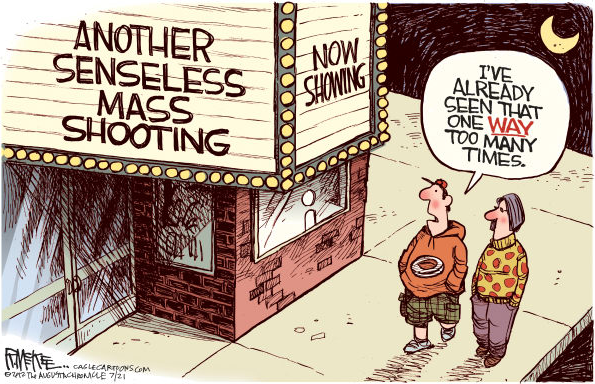
Personal Tips to Help You Protect Yourself in a Mass Shooting Since the Columbine High School shooting in 1999, which killed 13 people and wounded 20 more, we have heard the term “mass shooting” far too often. Unfortunately, mass shooting situations have become a tragic part of our reality. For example, the 2017 Las Vegas shooting remains the deadliest in U.S. history, with 59 people killed and 851 injured. These were innocent concertgoers enjoying music outdoors. More recently, the shooting at Stoneman Douglas High School ranks as the ninth deadliest, leaving 17 people dead and 17 injured. Learn about access control systems and more. And then on April 5, 2018, it was reported that a mass shooting at Syracuse University was averted when the Nelson gun store owner called police after refusing to sell the former student an AR-15 rifle. It was found by law enforcement that the former student had stockpiled gun accessories and ammunition in his apartment after making threats of committing a mass shooting at the University. This brings about a VERY good question and that’s what you should or shouldn’t do if you happen to find yourself in a mass shooting situation? What You Shouldn’t Do in mass shooting situations First, don’t try to overpower the shooter. You’re likely unarmed, so trying to take them down could get you hurt or make the shooter more aggressive. Also, avoid throwing objects at the shooter. While throwing things might distract them, it also makes you and others easier targets. Although some media sources suggest this tactic, it carries significant risks. If you hear gunshots nearby while in a room, don’t run out—it might be exactly what the shooter wants. Instead, lock and barricade the door. If you find an escape route, use it. However, don’t hide under desks or tables because shooters often target those spots first. What You Should Do in Mass Shooting Situations As for what you should do, there are many steps you can take. First, schools need to create an emergency action plan if they don’t already have one. In addition, many schools now install access control systems, or “ACS Security,” which require students to scan ID cards before entering. Moreover, schools are increasing security guard presence. They are also adding door barricade devices to classrooms and improving evacuation plans. These steps work together to make schools safer and better prepared for emergencies. Having a plan helps in every situation. Recently, a shooting at YouTube Headquarters reminded us that no place is truly safe—not schools, workplaces, malls, or transit hubs. First, hiding under desks often doesn’t work. At Virginia Tech, students who barricaded doors survived. So, barricade doors if you can. Next, always note entrances and exits wherever you go. Think about your plan if an attack happens. If someone nearby acts suspiciously—like wearing a winter coat in summer—leave the area immediately. Stay aware of your surroundings and face entrances rather than turning your back to them. Move quickly out of the danger zone. If a shooter is on your level, get down. But if they are above you, run toward an exit while staying on the move. If you can’t run, hide behind something that can block bullets. Move as soon as it’s safe. Ultimately, staying alert and leaving when something feels wrong is your best defense. Access Control, Business Protection, and More – Safety in Mass Shooting Situations and More If you want to make your school, business, warehouse, factory, or other commercial building safer from mass shooters and other threats, SPS Fire & Security can help. We specialize in commercial security solutions, including access control systems and more. As a result, you can protect your facility and keep everyone inside safe. Call today at 585-770-0348 for a free estimate.
Hidden Security Systems But Obvious: Access Control Systems

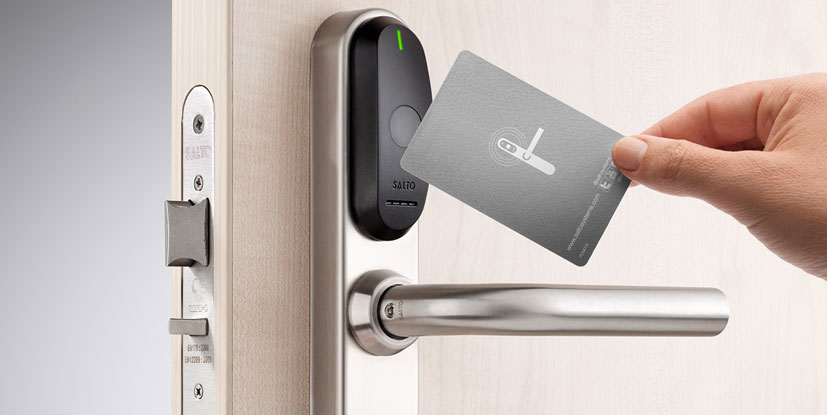
How Can Hidden Security Systems Like Access Control Systems Benefit You? Businesses face rising security concerns. Whether managing small mom-and-pop shops or large facilities, owners and managers must ensure safety. Consequently, protecting information, people, and equipment is critical (especially hidden security systems). Therefore, access control systems, once exclusive to large corporations or government facilities, now benefit anyone seeking added security and protection. Businesses of all sizes require robust protection. Below is a list of various facility types in Rochester, Syracuse, Buffalo, and nationwide. Each actively leverages the security offered by high-quality, scalable access control systems. Health Facilities Hospitals and clinics are using access control more because threats like terrorism seem to be growing, especially around healthcare. Access control helps them follow privacy rules like HIPAA, lowers the chance of infections by cutting down on shared touch points, and keeps sensitive areas safe from people who shouldn’t be there. Schools and Colleges Many schools and colleges use access control mainly for staff, but more and more students are getting ID cards too. These cards work like keys to open school doors. This system lets staff watch over the whole building or campus from one place. With just one click, administrators can lock down the school, and they can see reports showing who comes in. Adding cameras gives even more information. Hotels For many years, hotels have used access control for guests to enter their rooms. Guests put a key card in a slot, take it out quickly, and the door opens. Now, more hotels also require key cards to get into the building after evening hours to keep guests and staff safer. In some city hotels, you also need a key card to use the elevator. This can make food delivery a bit harder, but it’s an important security step. Access control is also used for hotel pools to make sure only authorized people can get in. Fitness Centers Fitness centers and gyms have long embraced access control. Members receive an ID card, which acts as their key to enter the building. When a member is in good standing, the system grants access. However, if a member violates rules or fails to pay their bill, the system may deny entry. For instance, the YMCA effectively demonstrates this access control process. Call Centers – Hidden Security Systems Many schools and colleges already use access control systems for staff, but a growing number are now extending these measures to students through ID cards. These cards act as digital keys, allowing students to unlock doors and access campus facilities. This level of security makes it possible to monitor an entire building or campus from one centralized location. With the push of a button, administrators can lock down the school, and detailed reports track who enters and exits. When combined with security cameras, these systems offer even greater visibility and control. Have more control over your security. Office Buildings Office buildings are similar to call centers, but they need stronger security. Some areas are only for top managers, and IT departments keep certain rooms limited to specific staff. Banks also have strict rules to protect sensitive areas. Access control systems help keep these spaces secure, making it easier to follow safety rules and protect people and information. Warehouses Warehouses hold valuable goods that need to be protected at all times. Like call centers and office buildings, they use access control to keep intruders out. Only approved staff can enter the building, and only people with special permission can get into certain areas. Storage Facilities Storage facilities, especially indoor ones with climate control, are becoming more common. Access control systems make sure only renters with active accounts can get in. If someone doesn’t pay, their card is turned off so they can’t enter. People with permission can use their card to open the main doors and their own storage unit. Because of these systems, many storage places can stay open 24/7. Supermarkets and Big Box Stores are Prime Locations for Hidden Security Systems Big retail stores are using access control more often to keep employee-only areas safe. For example, offices, storage rooms, and break rooms can only be accessed by staff. This helps protect employees and stops customers from going into these private areas. Mom-and-Pop Shops Love Hidden Security Systems Small, family-owned shops often put access control panels on back rooms and offices to protect important information and money. At the same time, they want to keep their workers safe. These systems give employees a safe place to go during robberies or other dangers. A Trusted Rochester Access Control Company Good hidden security systems put you in control of your security. You can choose who enters, keep track of activity, control clearance levels, and make your business safer. To learn more, contact SPS Fire & Security at 585-770-0348 for a free consult.