
Essential Home Safety Tips Every Homeowner Should Know
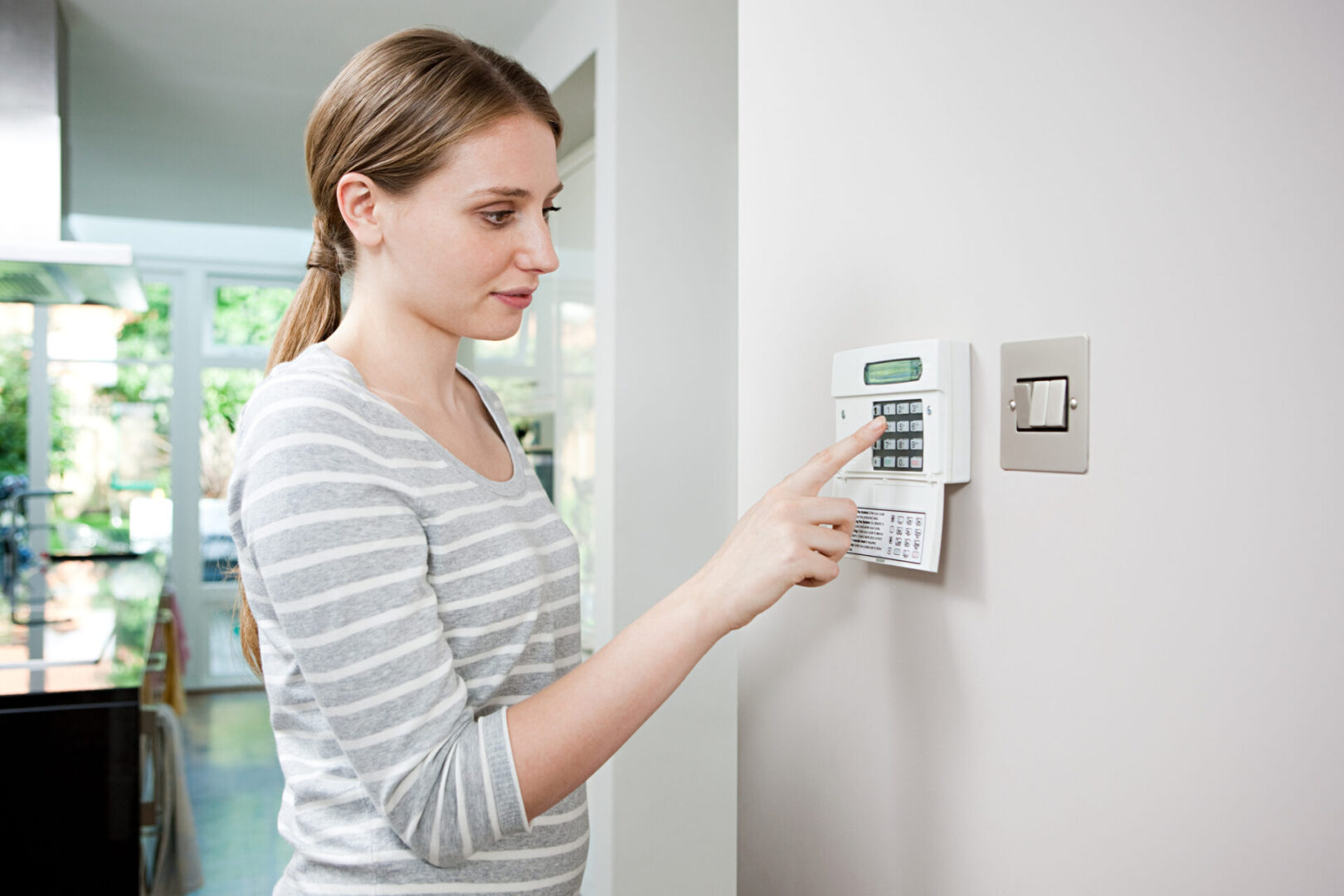
Your home should be a place of comfort, security, and peace of mind. However, maintaining that safety requires proactive steps and consistent awareness. From preventing break-ins to reducing everyday risks, implementing the right safety measures can make a significant difference in protecting your home and family.
Secure All Entry Points
Doors and windows are the most common entry points for intruders, making them the first area to secure.
Install solid-core or metal doors for better durability and protection. Reinforce them with high-quality deadbolt locks. For added security, consider installing smart locks that allow remote access and monitoring.
Windows should also be secured with proper locks or reinforced glass. Adding security film can help prevent shattering, while window sensors can alert you if a breach occurs. Sliding doors should be fitted with a rod or bar in the track to stop forced entry.
Enhance Lighting for Safety
Proper lighting is a simple yet effective way to deter unwanted activity.
Install motion-activated lights around entry points, garages, and dark outdoor areas. These lights not only increase visibility but also startle potential intruders.
Inside the home, using timers or smart lighting systems can create the appearance that someone is present even when you are away. This small step can significantly reduce the risk of break-ins.
Focus on Fire Prevention
Fire safety is an essential part of protecting your home.
Install smoke detectors in key areas such as bedrooms, hallways, and kitchens. Test them regularly and replace batteries as needed. It’s also important to have fire extinguishers readily available, especially in high-risk areas like the kitchen.
Regularly inspect electrical systems and avoid overloading outlets. Taking these precautions can greatly reduce the risk of fire-related incidents.
Develop an Emergency Plan
Having a clear emergency plan ensures everyone in your household knows what to do in critical situations.
Identify multiple exit routes from each room and establish a safe meeting point outside the home. Practice emergency drills regularly so that all family members can act quickly and confidently when needed.
Preparedness can save lives during emergencies.
Leverage Smart Security Systems
Modern security systems provide advanced protection and convenience.
Smart home systems can include door sensors, motion detectors, alarms, and mobile app integration. These features allow you to monitor your home in real time and receive instant alerts if unusual activity is detected.
Remote access gives you full control over your home’s security, no matter where you are.
Install Video Surveillance
Video surveillance systems are a powerful addition to home security.
Visible cameras can deter criminals, while recorded footage provides valuable evidence if an incident occurs. Features like night vision, motion detection, and cloud storage enhance their effectiveness.
Placing cameras at entry points and high-traffic areas ensures better coverage of your property.
Adopt Everyday Safety Habits
Daily habits play a major role in maintaining home safety.
Always lock doors and windows, even when you are at home. Avoid sharing travel plans publicly on social media, as this can signal that your home is unoccupied.
Collect mail regularly or ask a trusted neighbor to do so when you’re away. These small actions help prevent your home from appearing vacant.
Build a Safer Community
A strong community can enhance overall safety.
Get to know your neighbors and stay aware of activity in your area. Neighbors who look out for each other can quickly identify suspicious behavior and take action when necessary.
Community awareness adds an extra layer of protection beyond your own property.
Childproof and Maintain Your Home
For families, childproofing is essential.
Secure cabinets, cover electrical outlets, and anchor heavy furniture to prevent accidents. Keeping hazardous items out of reach reduces the risk of injury.
Regular home maintenance is equally important. Inspect heating systems, electrical wiring, and appliances to ensure everything is functioning safely.
Conclusion
Home safety is about creating multiple layers of protection. By securing entry points, improving lighting, practicing fire safety, and using modern technology, you can significantly reduce risks.
Taking proactive steps today ensures your home remains a safe and secure place for years to come. Investing in safety is ultimately an investment in your peace of mind.
