
The Benefits of Modern Video Surveillance Systems
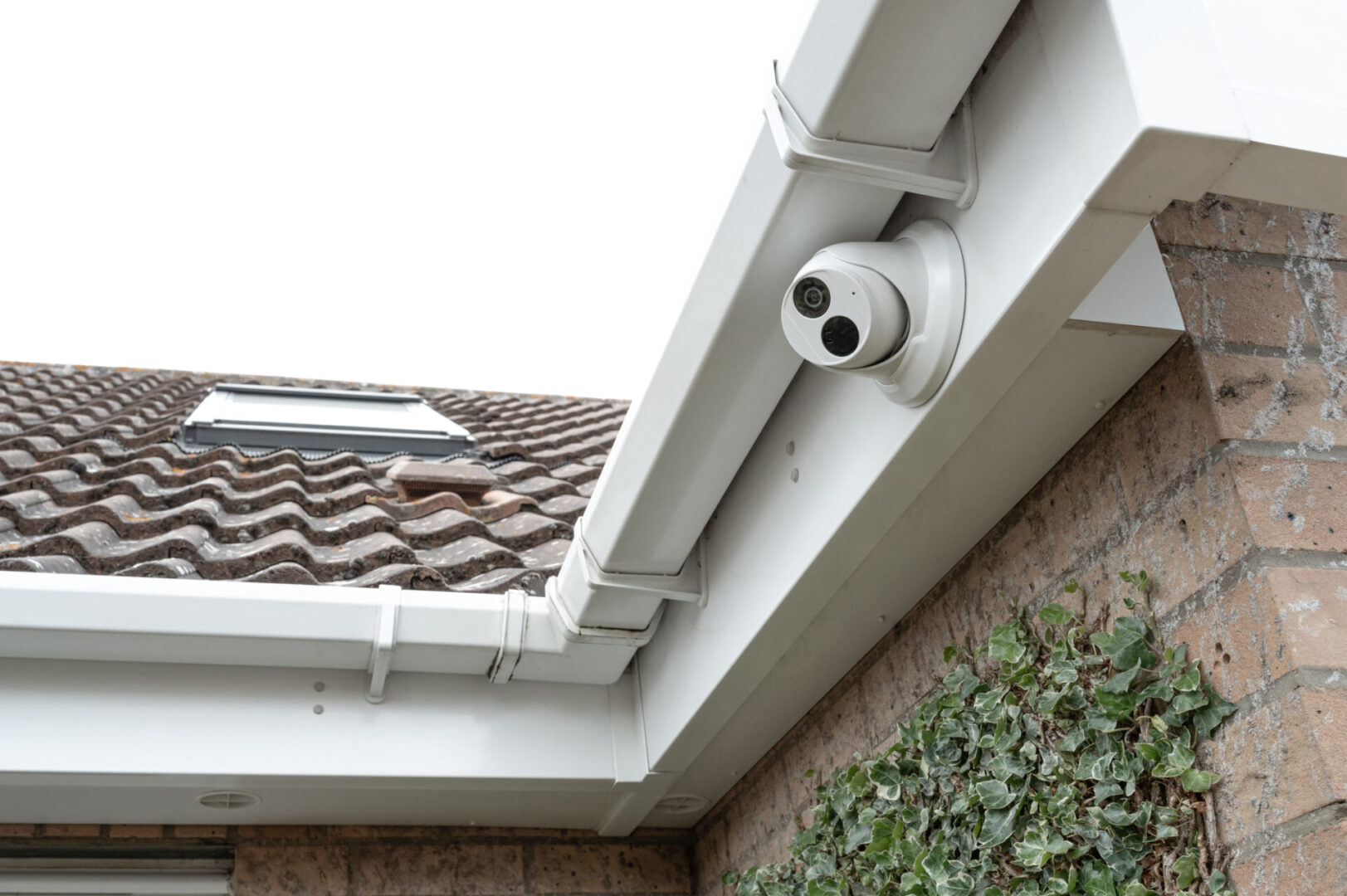
Video surveillance has become one of the most effective tools for protecting homes and businesses. With advancements in technology, security cameras now offer far more than simple recording—they provide real-time monitoring, intelligent alerts, and valuable insights into daily activity. Whether you want to deter crime, monitor operations, or simply gain peace of mind, a well-designed video surveillance system is a powerful solution.
Understanding how these systems work and how to use them effectively can help you maximize your security investment.
What Is a Video Surveillance System?
A video surveillance system consists of cameras, recording devices, and software that work together to monitor and record activity on a property.
Modern systems often include high-definition cameras, cloud storage, and remote access through mobile apps. This allows users to view live footage, review past recordings, and receive alerts from anywhere.
From small residential setups to large commercial networks, surveillance systems can be customized to fit a wide range of needs.
Crime Deterrence and Prevention
One of the biggest advantages of video surveillance is its ability to prevent crime.
Visible cameras act as a strong deterrent to potential intruders or vandals. Most criminals are less likely to target a property where their actions can be recorded and identified.
In addition to deterring crime, surveillance systems help detect suspicious activity early, allowing for quicker response and reduced risk.
Real-Time Monitoring and Remote Access
Modern surveillance systems provide real-time access to your property.
Using a smartphone, tablet, or computer, you can view live footage from anywhere in the world. This is especially useful for homeowners who travel frequently or business owners managing multiple locations.
Instant notifications alert you to unusual activity, enabling you to take immediate action if needed.
High-Quality Video and Advanced Features
Today’s cameras offer high-definition video quality, making it easier to identify people, vehicles, and important details.
Key features include:
- Night Vision: Clear footage even in low-light conditions
- Motion Detection: Alerts triggered by movement
- Wide-Angle Lenses: Broader coverage of areas
- Zoom Capabilities: Focus on specific details
- Cloud Storage: Secure access to recorded footage
These features enhance the effectiveness of surveillance systems and provide greater control over security.
Residential Benefits
For homeowners, video surveillance offers both security and convenience.
You can monitor entrances, driveways, and outdoor spaces to ensure everything is secure. Video doorbells allow you to see and communicate with visitors, even when you’re not at home.
Surveillance systems also help keep an eye on deliveries, pets, and family members, adding an extra layer of everyday awareness.
Commercial Benefits
Businesses rely heavily on video surveillance for security and operational efficiency.
Cameras can monitor employee activity, prevent theft, and ensure compliance with safety procedures. In the event of an incident, recorded footage provides valuable evidence for investigations.
Surveillance systems also help improve customer safety and create a more secure environment for staff and visitors.
Best Practices for Camera Placement
Proper camera placement is essential for maximum coverage and effectiveness.
Install cameras at key entry points such as doors and windows. Cover high-traffic areas, parking lots, and blind spots where activity may go unnoticed.
Position cameras at an appropriate height to avoid tampering while still capturing clear images. Avoid placing cameras directly facing bright light sources, which can reduce visibility.
Privacy Considerations
While surveillance systems enhance security, it’s important to respect privacy.
Avoid placing cameras in private areas such as bathrooms or bedrooms. Inform employees or visitors when surveillance is in use, especially in commercial settings.
Following privacy guidelines ensures ethical use of surveillance technology while maintaining trust.
Integration with Other Security Systems
Video surveillance works best when combined with other security measures.
Integrating cameras with alarm systems, access control, and smart home devices creates a comprehensive security solution. For example, cameras can automatically record when an alarm is triggered or when motion is detected.
This integration improves response times and provides a more complete view of your property’s security.
Maintenance and System Updates
Regular maintenance ensures your surveillance system continues to perform effectively.
Clean camera lenses, check connections, and update software to maintain optimal performance. Periodically review camera angles and coverage to ensure no blind spots have developed.
Keeping your system updated helps prevent technical issues and enhances overall reliability.
The Future of Video Surveillance
Technology continues to push the boundaries of what surveillance systems can do.
Artificial intelligence is now being used to recognize faces, detect unusual behavior, and reduce false alarms. Smart analytics can provide insights into patterns and trends, helping businesses improve operations.
As technology evolves, video surveillance systems will become even more intelligent and efficient.
Conclusion
Video surveillance systems are a vital component of modern security. They deter crime, provide real-time monitoring, and offer valuable evidence when needed.
By investing in a high-quality system and following best practices, you can significantly enhance the safety of your home or business. Surveillance is not just about watching—it’s about staying informed, prepared, and protected at all times.
