
How Home Automation is Transforming Security and Everyday Living
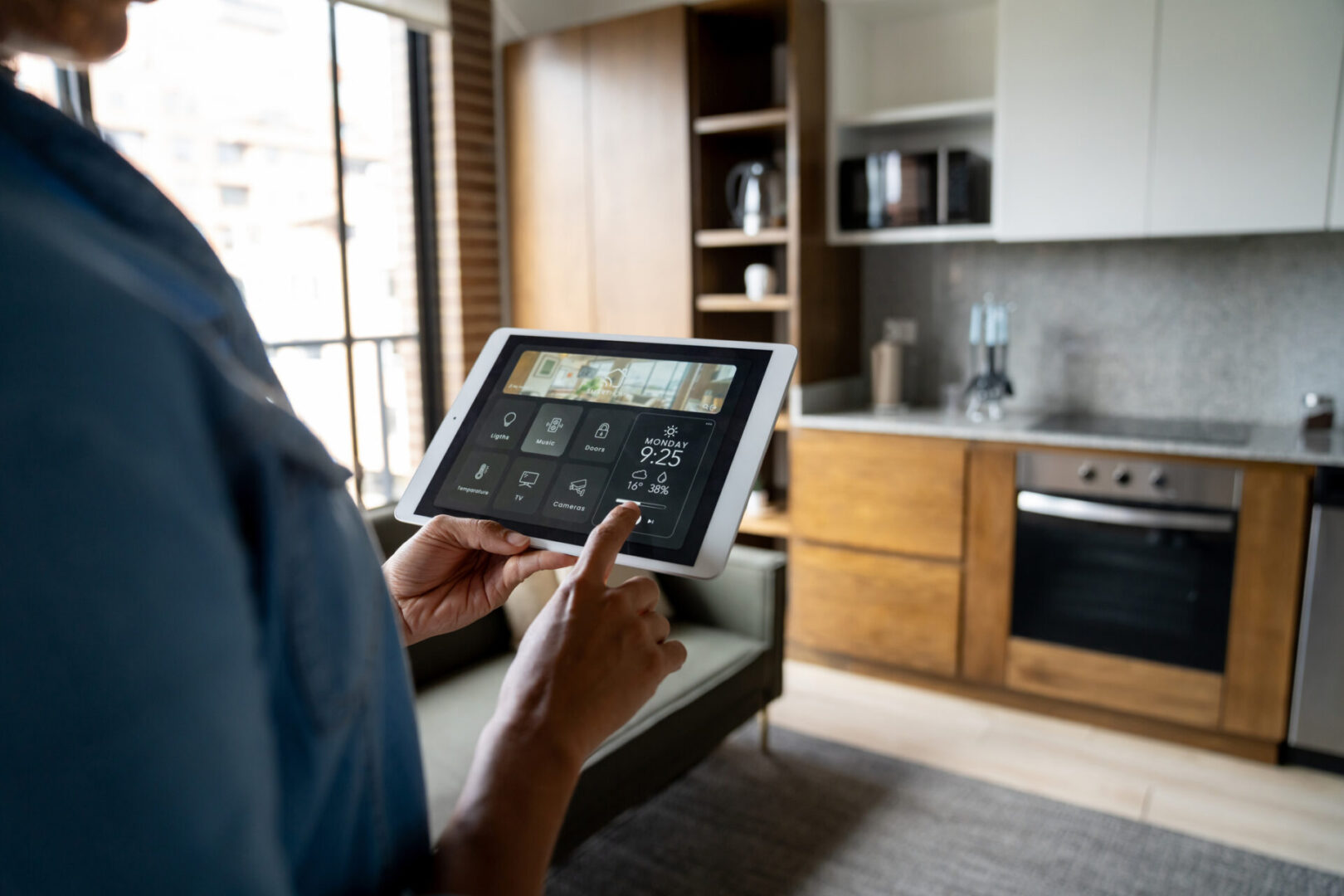
Home automation is rapidly changing how homeowners interact with their living spaces. What was once considered a luxury is now becoming a standard feature in modern homes. By integrating smart technology into everyday systems, home automation offers greater control, improved security, and unmatched convenience.
From controlling lights and locks to monitoring security systems remotely, home automation creates a connected environment that adapts to your lifestyle while keeping your home protected.
What Is Home Automation?
Home automation refers to the use of smart devices and technology to control and automate various functions within your home.
These systems connect through a central platform—usually a smartphone app or voice assistant—allowing you to manage devices such as lighting, thermostats, security systems, and appliances from one place.
Automation can be scheduled or triggered by specific actions, making your home more efficient and responsive.
Enhanced Security Through Automation
One of the biggest advantages of home automation is improved security.
Smart locks allow you to lock and unlock doors remotely, eliminating the need for physical keys. You can also grant temporary access to guests, service providers, or family members without compromising security.
Integrated alarm systems and motion sensors provide real-time alerts if unusual activity is detected. Combined with video surveillance, you can monitor your property at any time, from anywhere.
Remote Access and Control
Home automation gives you complete control over your home, no matter where you are.
Using a smartphone or tablet, you can:
- Lock or unlock doors
- Turn lights on or off
- Adjust temperature settings
- View live security camera footage
- Receive instant alerts
This level of access ensures that you are always connected to your home, providing peace of mind whether you are at work or on vacation.
Smart Lighting for Safety and Efficiency
Lighting is one of the most commonly automated features in a smart home.
You can schedule lights to turn on or off at specific times, helping to create the appearance that someone is home even when you’re away. Motion-activated lighting can also enhance security by illuminating dark areas when movement is detected.
In addition to safety, smart lighting improves energy efficiency by reducing unnecessary usage.
Energy Efficiency and Cost Savings
Home automation systems can help reduce energy consumption and lower utility bills.
Smart thermostats learn your habits and adjust heating and cooling accordingly. Automated systems can turn off lights and appliances when they are not in use, preventing energy waste.
Over time, these small adjustments can lead to significant cost savings while also reducing your environmental impact.
Integration of Multiple Systems
One of the key benefits of home automation is the ability to integrate multiple systems into a single platform.
Security systems, lighting, climate control, and entertainment systems can all work together seamlessly. For example, when you leave home, your system can automatically lock doors, turn off lights, and arm the security system.
This level of integration simplifies daily routines and enhances overall efficiency.
Voice Control and Smart Assistants
Voice control has become a popular feature in home automation.
Smart assistants allow you to control devices using simple voice commands. Whether it’s adjusting the thermostat, turning on lights, or checking camera feeds, voice control adds convenience and accessibility.
This feature is especially useful for multitasking or for individuals with mobility challenges.
Customization and Personalization
Home automation systems can be tailored to fit your specific needs and preferences.
You can create custom routines based on your daily schedule. For example, a “morning routine” might turn on lights, adjust the thermostat, and start your coffee maker.
Personalization ensures that your home works for you, making everyday tasks more efficient and enjoyable.
Safety Beyond Security
Home automation also enhances safety in ways beyond preventing intrusions.
Smart sensors can detect smoke, carbon monoxide, or water leaks and send immediate alerts. Automated shut-off systems can prevent damage by stopping water flow or turning off appliances in case of an issue.
These features help protect your home from a wide range of potential hazards.
Installation and Scalability
Home automation systems can be installed as a complete solution or added gradually over time.
Many homeowners start with basic features such as smart locks or lighting and expand their system as needed. This scalability makes home automation accessible and adaptable to different budgets.
Professional installation ensures optimal performance, but many devices are also designed for easy DIY setup.
The Future of Smart Homes
The future of home automation is continuously evolving.
Advancements in artificial intelligence and machine learning are making systems more intuitive. Homes will increasingly anticipate user needs, automate tasks more efficiently, and provide deeper insights into energy usage and security.
As technology advances, smart homes will become even more integrated, efficient, and secure.
Conclusion
Home automation is transforming the way we live by combining convenience, efficiency, and security into one seamless system.
By integrating smart devices into your home, you gain greater control, improve safety, and simplify everyday tasks. Whether you’re looking to enhance security or create a more comfortable living environment, home automation offers a solution that adapts to your needs.
Investing in smart technology today prepares your home for the future—making it safer, smarter, and more efficient.
