
Why Fire Alarm Systems Are Critical for Every Property
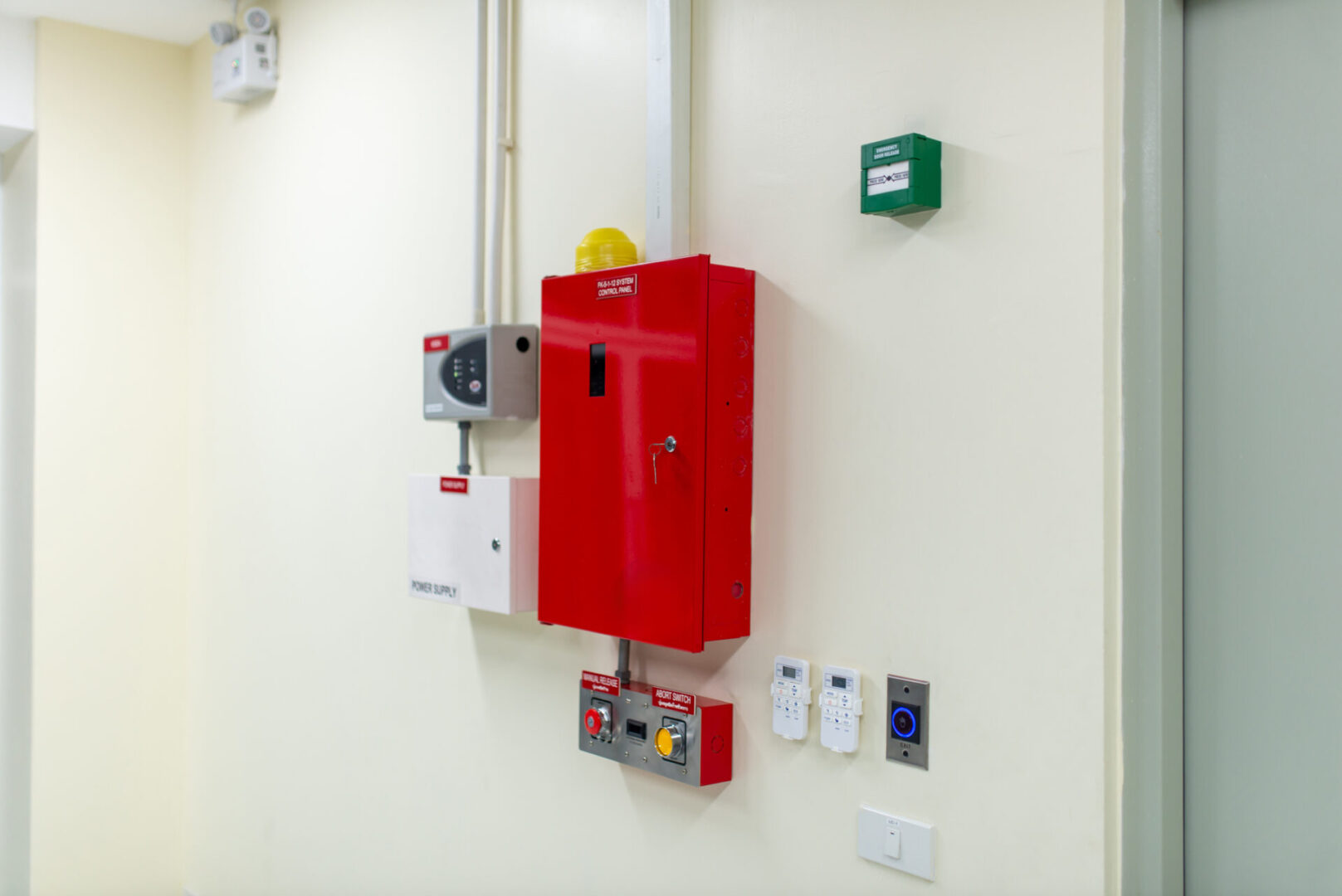
Fire alarms are one of the most important safety systems in any home or commercial property. Fires can start unexpectedly and spread rapidly, often leaving very little time to react. Having a reliable fire alarm system in place ensures early detection, giving occupants valuable time to evacuate and emergency services time to respond.
Whether you are protecting a home, office, or large facility, understanding how fire alarm systems work and why they are essential can help you make better decisions about safety.
The Importance of Early Detection
The primary function of a fire alarm system is early detection.
Fires often begin silently, especially in areas that are not constantly occupied. Smoke detectors and heat sensors are designed to identify the first signs of danger and trigger an alert before the situation escalates.
Early detection significantly reduces the risk of injury, loss of life, and property damage. Even a few extra minutes can make a critical difference during an emergency.
Types of Fire Alarm Systems
Fire alarm systems come in different types, each designed for specific environments and needs.
Conventional Fire Alarm Systems
These systems divide a building into zones. When an alarm is triggered, it indicates the general area of the fire, making it suitable for smaller properties.
Addressable Fire Alarm Systems
These systems provide more precise information by identifying the exact device that triggered the alarm. This makes them ideal for larger buildings or commercial properties where accuracy is essential.
Wireless Fire Alarm Systems
Wireless systems offer flexibility and easier installation, making them a popular choice for both residential and retrofit projects.
Key Components of a Fire Alarm System
A complete fire alarm system includes several important components working together:
- Smoke Detectors: Detect smoke particles in the air
- Heat Detectors: Respond to rapid temperature increases
- Control Panel: The central unit that processes signals
- Alarm Sounders: Alert occupants with loud signals
- Manual Call Points: Allow individuals to trigger the alarm manually
Each component plays a vital role in ensuring the system functions effectively during an emergency.
Integration with Monitoring Services
Modern fire alarm systems can be connected to professional monitoring services.
When an alarm is triggered, the system can automatically notify a monitoring center, which then contacts emergency responders. This ensures a faster response time, even if no one is present to call for help.
This feature is especially important for businesses, rental properties, and homes that may be unoccupied at times.
Regular Testing and Maintenance
Installing a fire alarm system is only the first step—regular maintenance is essential.
Test your system frequently to ensure all components are working properly. Replace batteries as needed and schedule professional inspections to identify any potential issues.
Dust, wear, or outdated equipment can reduce the effectiveness of your system, so staying proactive with maintenance is critical.
Fire Alarms for Residential Properties
In homes, fire alarms provide essential protection for families.
Install smoke detectors in bedrooms, hallways, and common areas. Interconnected systems are highly recommended, as they ensure all alarms sound simultaneously when one is triggered.
Smart fire alarms can also send alerts to your phone, allowing you to respond quickly even when you are away from home.
Fire Alarms for Commercial Properties
Commercial properties have more complex safety requirements.
Fire alarm systems in businesses must comply with local regulations and safety codes. These systems often include additional features such as emergency lighting, sprinkler integration, and evacuation systems.
Properly installed and maintained systems not only protect employees and customers but also help businesses avoid legal and financial risks.
Common Causes of Fire Hazards
Understanding common fire risks can help prevent incidents before they occur.
- Faulty electrical wiring
- Overloaded outlets
- Unattended cooking
- Heating equipment placed too close to flammable materials
- Smoking indoors
Being aware of these hazards and taking preventive measures can reduce the likelihood of a fire starting in the first place.
Creating a Fire Safety Plan
A fire alarm system is most effective when combined with a clear safety plan.
Ensure all occupants know how to respond when an alarm sounds. Identify escape routes and establish a safe meeting point outside the building. Practice fire drills regularly so everyone is prepared.
Quick and organized evacuation is key to minimizing risk during a fire emergency.
Advancements in Fire Alarm Technology
Technology continues to improve fire safety systems.
Modern fire alarms can integrate with smart home systems, provide real-time alerts, and even differentiate between types of smoke to reduce false alarms. Some systems also include voice alerts that provide clear instructions during emergencies.
These advancements make fire alarm systems more reliable, efficient, and user-friendly.
Conclusion
Fire alarm systems are a vital part of any safety strategy. They provide early warning, enable quick response, and help protect lives and property from devastating losses.
By choosing the right system, maintaining it regularly, and combining it with a solid emergency plan, you can significantly improve your level of protection.
Fire safety is not something to take lightly—investing in a reliable fire alarm system is one of the most important decisions you can make for your home or business.