
Understanding the Silent Dangers of Carbon Monoxide
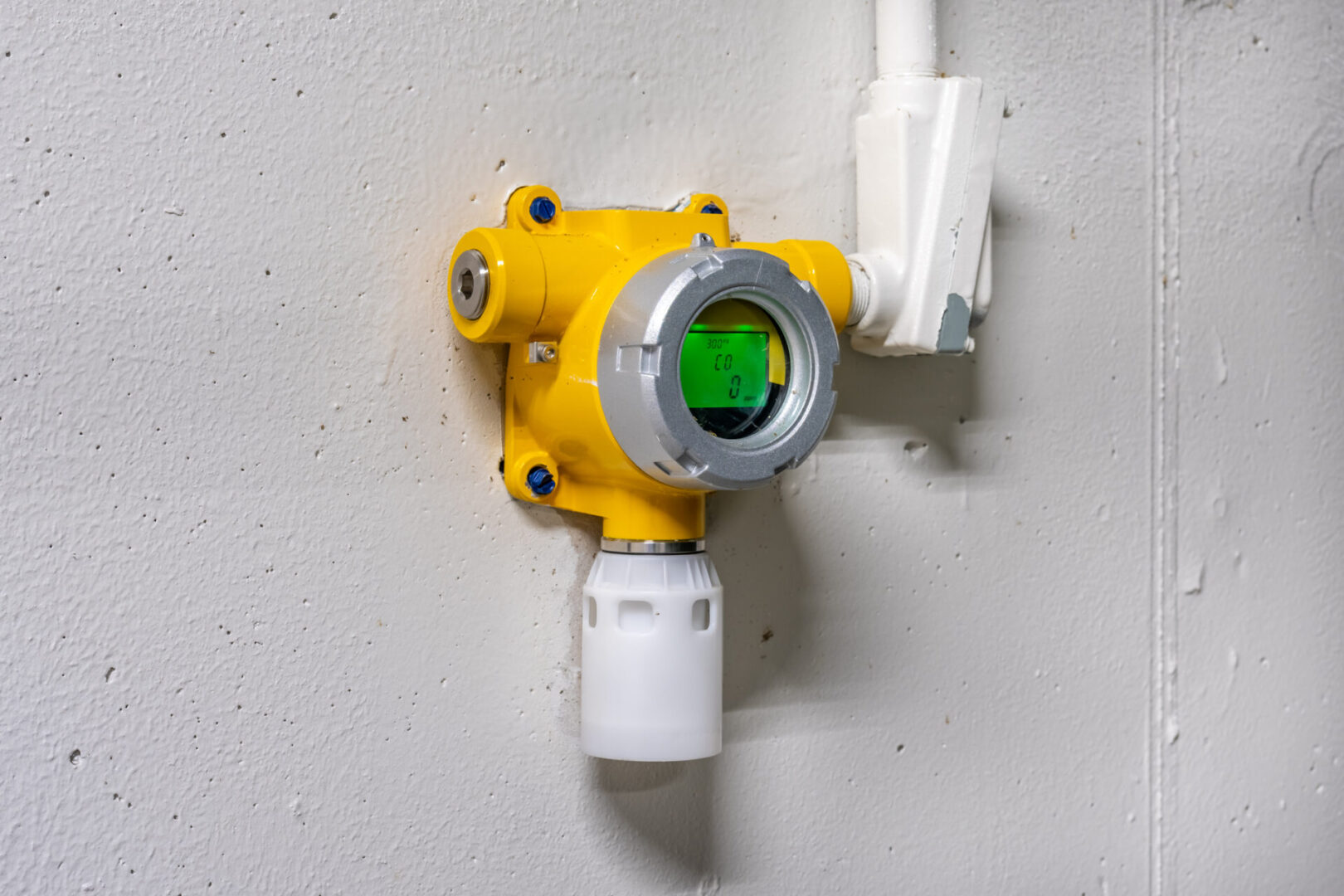
Carbon monoxide (CO) is often referred to as the “silent killer”—and for good reason. It is a colorless, odorless, and tasteless gas that can pose serious health risks or even be fatal if undetected. Unlike smoke or fire, carbon monoxide gives no warning signs, making proper detection and prevention absolutely critical in any home or building.
Understanding where carbon monoxide comes from, how it affects the body, and how to protect against it can help you create a safer living environment for you and your family.
What Is Carbon Monoxide?
Carbon monoxide is a gas produced when fuels such as gas, oil, wood, or coal do not burn completely.
Common sources include:
- Gas furnaces
- Water heaters
- Fireplaces
- Gas stoves and ovens
- Generators
- Vehicle exhaust in enclosed spaces
When these appliances or systems are not properly maintained or ventilated, carbon monoxide can build up indoors to dangerous levels.
Why Carbon Monoxide Is So Dangerous
The biggest danger of carbon monoxide is that it is impossible to detect without proper equipment.
When inhaled, CO replaces oxygen in the bloodstream, preventing vital organs from receiving the oxygen they need. This can lead to serious health effects or death within minutes in high concentrations.
Because it is invisible and odorless, many people are unaware of exposure until symptoms begin to appear—often when it is already too late.
Common Symptoms of CO Exposure
Recognizing the symptoms of carbon monoxide poisoning can save lives.
Early signs include:
- Headaches
- Dizziness
- Nausea
- Fatigue
- Shortness of breath
More severe exposure can lead to confusion, loss of consciousness, and even death.
Symptoms are often mistaken for the flu, which makes awareness even more important. If multiple people in a home experience similar symptoms at the same time, carbon monoxide exposure should be considered immediately.
The Importance of Carbon Monoxide Detectors
The only reliable way to detect carbon monoxide is by installing CO detectors.
These devices monitor air quality and alert you when dangerous levels of carbon monoxide are present. They should be installed in key areas such as:
- Near bedrooms
- In hallways
- On every level of the home
- Near fuel-burning appliances
Modern detectors can also be integrated with smart home systems, sending alerts directly to your phone if an issue is detected.
Proper Placement and Maintenance
Installing detectors is only effective if they are properly placed and maintained.
Avoid placing detectors too close to fuel-burning appliances, as this may cause false alarms. Instead, follow manufacturer guidelines for optimal placement.
Test detectors regularly and replace batteries as needed. Most units should be replaced every 5–7 years to ensure reliability.
Preventing Carbon Monoxide Buildup
Prevention is just as important as detection.
Schedule regular inspections for heating systems, water heaters, and other fuel-burning appliances. Ensure all vents, chimneys, and flues are clear and functioning properly.
Never use generators, grills, or fuel-powered equipment indoors or in enclosed spaces such as garages—even if doors or windows are open.
Proper ventilation is key to preventing carbon monoxide buildup.
Safe Use of Appliances
Using appliances correctly can significantly reduce the risk of CO exposure.
- Never use ovens or stoves to heat your home
- Avoid running vehicles in enclosed spaces
- Ensure fireplaces are properly vented
- Turn off portable heaters when not in use
These simple practices can help prevent dangerous situations from developing.
Carbon Monoxide Safety in Winter
The risk of carbon monoxide exposure often increases during colder months.
Heating systems are used more frequently, and homes are more tightly sealed to retain warmth. This can lead to reduced ventilation and a higher chance of gas buildup.
Before winter begins, have your heating system inspected and ensure all detectors are functioning properly.
What To Do If a CO Alarm Sounds
If your carbon monoxide detector goes off, take it seriously.
- Immediately move everyone outside to fresh air
- Call emergency services or your local fire department
- Do not re-enter the building until it is declared safe
Even if symptoms are not present, exposure can still be dangerous. Always treat alarms as emergencies.
Protecting Your Family and Property
Carbon monoxide safety is not optional—it is essential.
Installing detectors, maintaining appliances, and following safe practices can dramatically reduce the risk of exposure. These steps are simple but can make the difference between life and death.
Being proactive ensures that your home remains a safe and healthy environment for everyone inside.
Conclusion
Carbon monoxide is a hidden danger that requires serious attention. Because it cannot be seen or smelled, detection systems and preventive measures are the only way to stay protected.
By understanding the risks, installing reliable detectors, and maintaining your home systems, you can safeguard your family from this silent threat.
Taking action today ensures peace of mind and long-term safety for your home.
